
DC 1 – Synaptic Plasticity Rules for Few-shot Event-based RL
Alessandro D’Urso
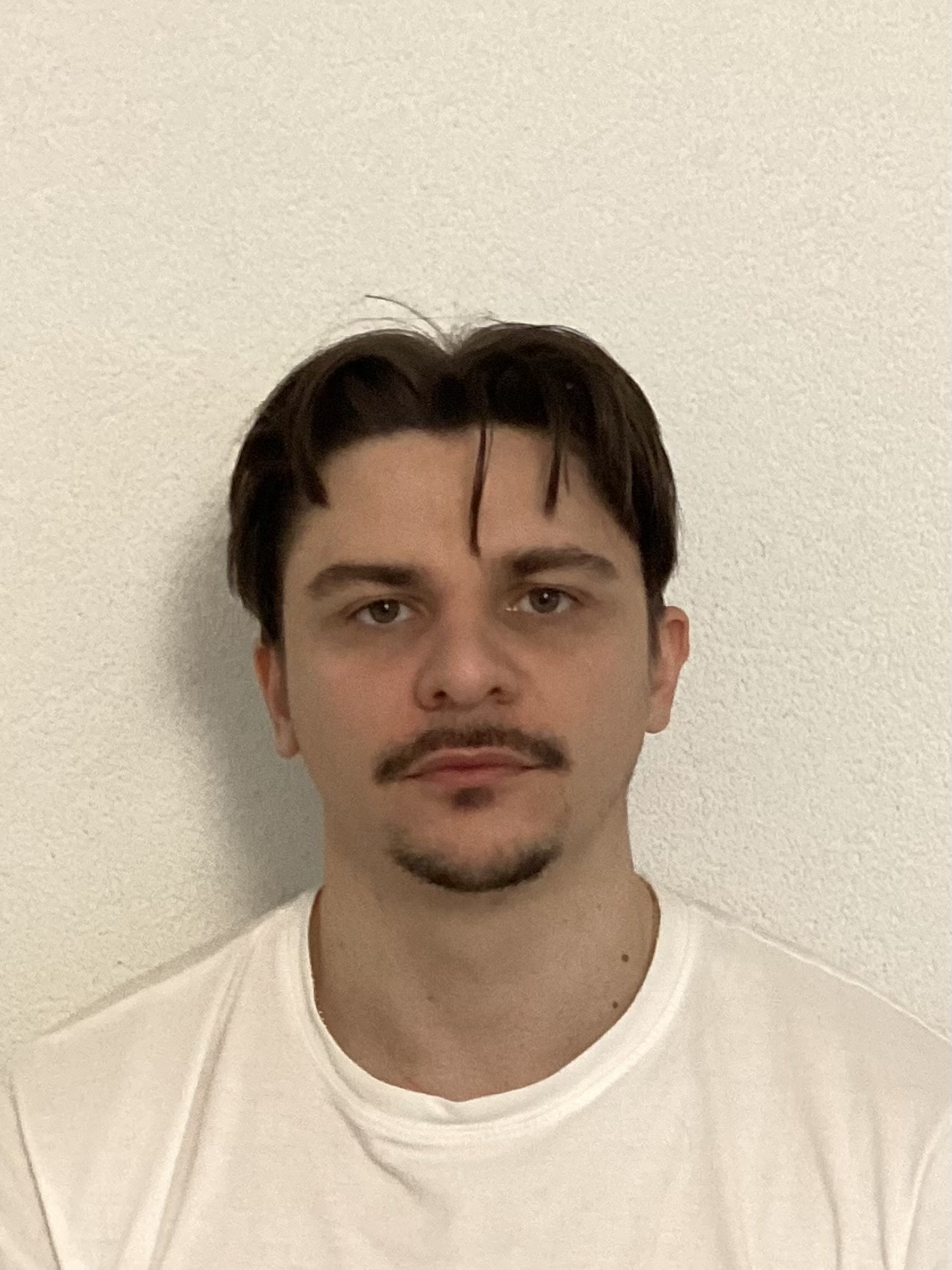
I am Alessandro, a PhD student at the Forschungszentrum Jülich and the RWTH Aachen University, supervised by Prof. Dr. Emre Neftci. I received my Bachelor’s degree in Engineering Physics from Politecnico di Torino and my Master’s degree in Applied Physics from EPFL, specializing in statistical physics and machine learning. After graduating, I worked as an AI engineer in industry. During my PhD, my research will focus on developing continuous and local alternatives to existing gradient-based learning rules by bridging theories of predictive coding with event-based control theory. Promotor: E. Neftci Co-promotor: C. Frenkel |
DC 2 – Learning complex temporal dynamics with recurrent networks of complex neuron units
Ioana Gidiuta
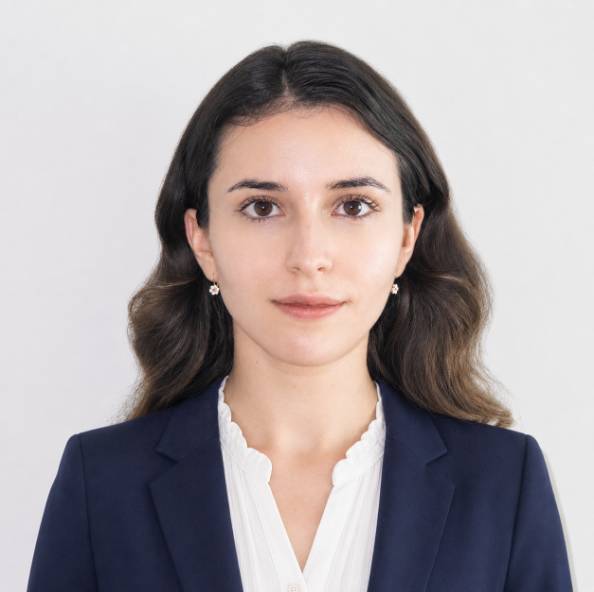
I am Ioana, originally from Bucharest, Romania, and I recently joined the CogSys group at TU Delft as a PhD researcher in the ELEVATE network. I am supervised by Charlotte Frenkel and co-supervised by Rodolphe Sepulchre at KU Leuven. My project focuses on hardware-software co-design for neuromorphic control, exploring how brain-inspired algorithms and hardware can work together to create efficient and adaptive control systems. Before starting my PhD, I studied Electrical Engineering and Data Science at the University of Pennsylvania and worked on projects spanning robotics, ML, and movement analysis. Outside of research, I enjoy painting, drawing, running, hiking, cooking, and reading. Promotor: Ch. Frenkel Co-promotor: R. Sepulchre |
DC 3 – Event-based Model Predictive Control
Melika Sabzikari
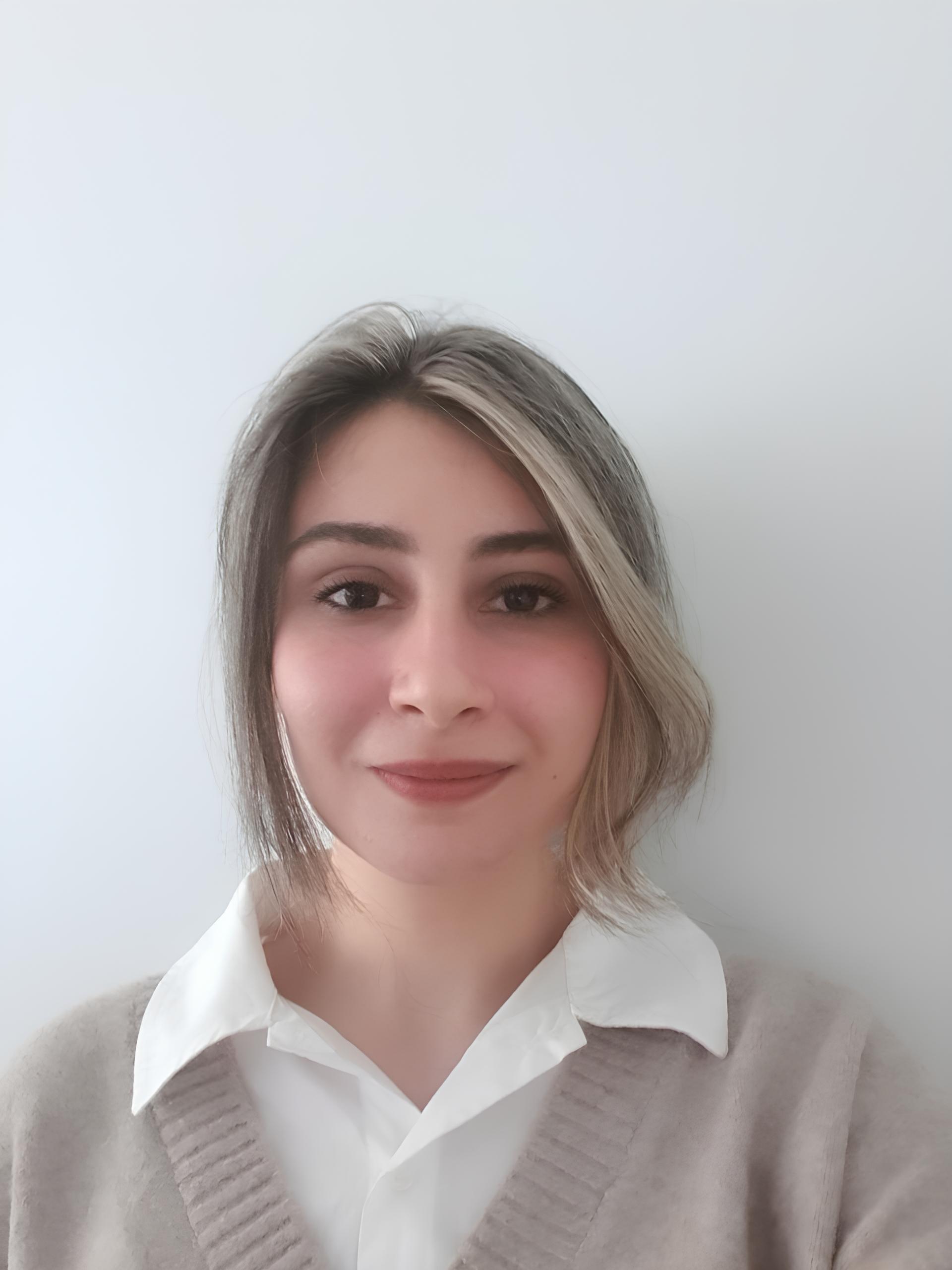
I am Melika and I have recently started my PhD at KU Leuven within STADIUS, under the supervision of Prof. Rodolphe Sepulchre. My research focuses on event-based model predictive control in neuromorphic systems, exploring how ideas from control and optimization can be combined with brain-inspired computing. Before joining KU Leuven, I studied Aerospace Engineering at Sharif University of Technology and then completed a Master’s in Advanced Mechanical Engineering, specializing in Dynamics and Control, at Imperial College London. Outside of research, I enjoy watercolor painting and baking. Promotor: R. Sepulchre Co-promotor: Y. Sandamirskaya |
DC 4 – Event-based adaptive sensing at the edge
Xianda (Dale) Li
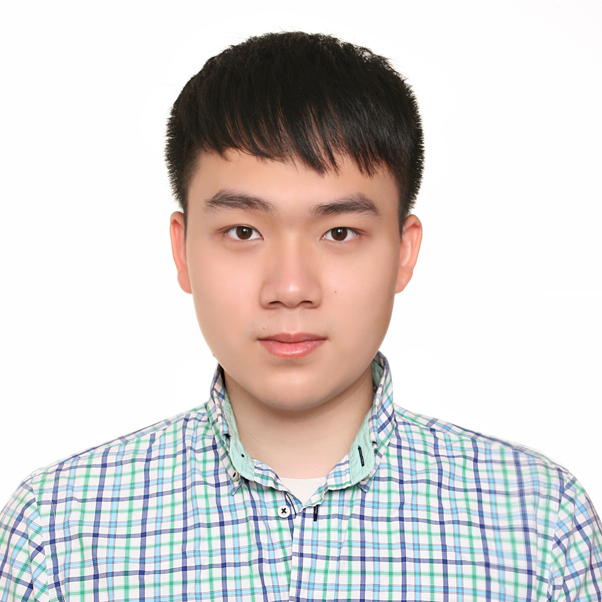
I am currently a PhD student at KU Leuven. My previous background was in analog IC design, where I focused on ultra-low-power amplifiers. My current research focuses on designing neuromorphic circuits for applications in the control of neuronal activity. I strive for high-quality research while simultaneously continuing to learn and improve myself. Promotor: G. Gielen Co-promotor: A. Zjajo |
DC 6 – Bridging Physical and functional learning
Dmitrii Semenov
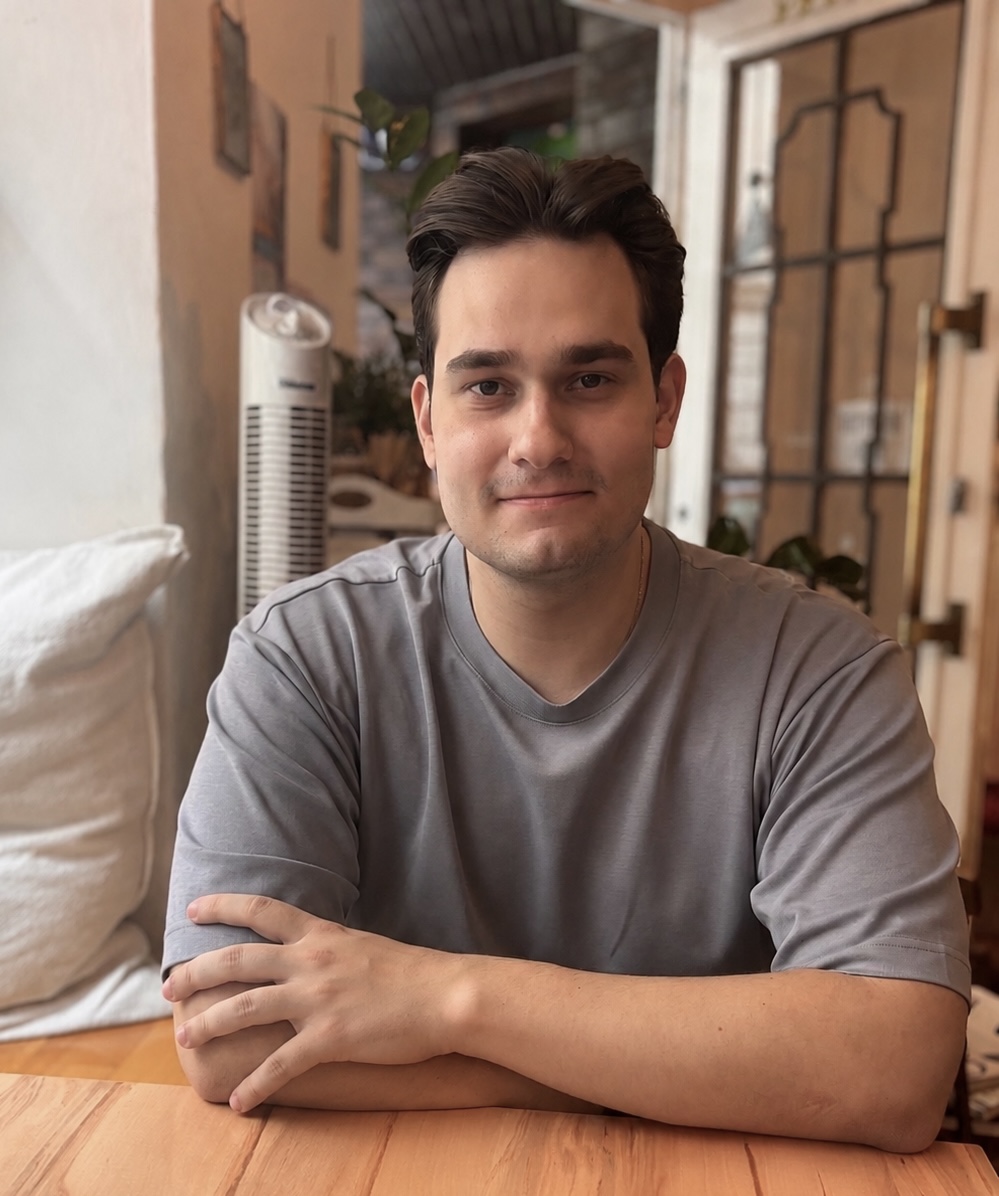
I am Dmitrii, and I recently joined the EIS group at ETH Zurich and the University of Zurich as a PhD student in the ELEVATE network, supervised by Prof. Melika Payvand. During the last 4 years, alongside my undergraduate and graduate studies, I was working as an intern in a design division of a semiconductor company. That, in particular, shaped my research interests in combining analog and digital integrated circuit (IC) design flows for neuromorphic systems. Specifically, in my PhD, I will be focusing on using these two approaches for building next-generation neuromorphic systems, where the analog part stands for low-level sensory processing using memristor-based circuits. At the same time, I plan to use the digital core for higher-order cognitive process implementation, such as decision-making and perception, resulting in a complete, mix-signal system. Outside of academia, I enjoy going to the gym and watching TV series with friends. Promotor: M. Payvand Co-promotor: Ch. Frenkel |
DC 7: Fast and slow computing with new materials
Felix
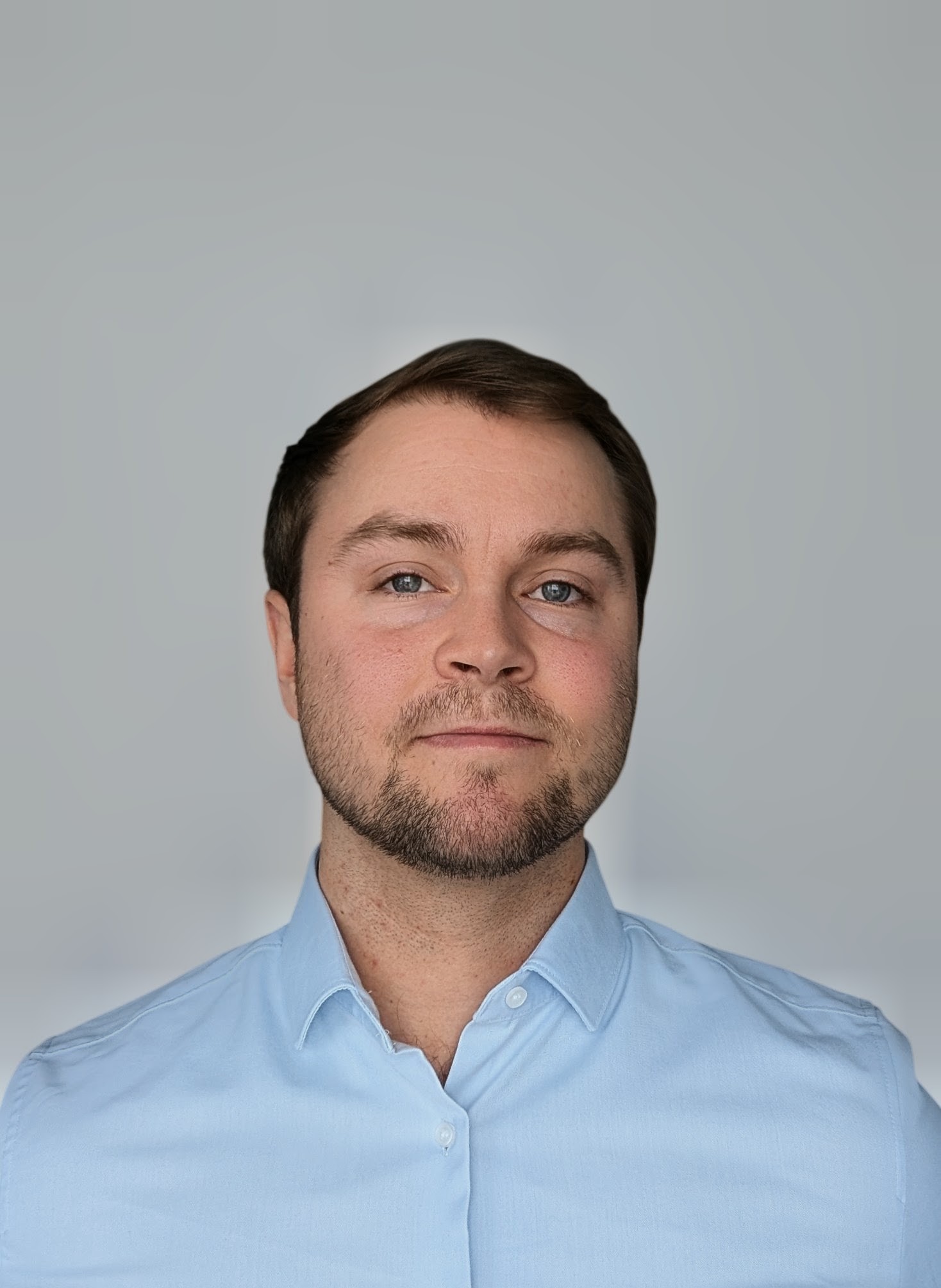
My name is Felix, and I hold a master’s degree in computer science. I am currently a PhD student in the Elevate network at ETH Zurich and the University of Zurich, supervised by Prof. Melika Payvand. My research focuses on novel biologically inspired learning rules that extract structure from streams of temporal data while respecting sparsity, modularity, and locality. My goal is to integrate these algorithms with modern machine learning systems and ultimately implement them on neuromorphic hardware. Besides researching learning algorithms, I enjoy casually playing football, doing hands-on projects, and spending time with my loved ones Promotor: M. Payvand Co-promotor: E. Neftci |
DC 8 – Event-based 3D vision for safe mobile manipulation
Bharghav Kota Venkata
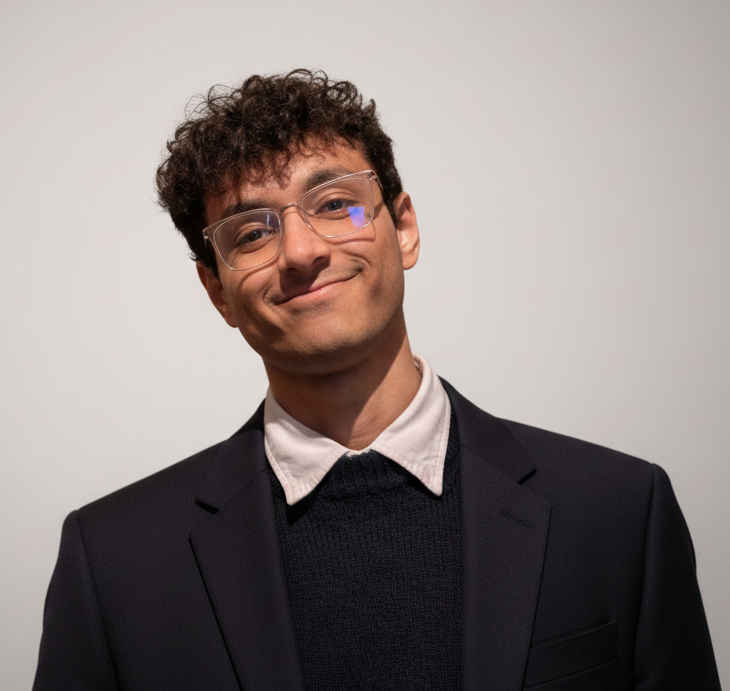
I am Bharghav, a PhD student at the Zurich University of Applied Sciences (ZHAW) and the University of Zurich, supervised by Prof. Dr. Yulia Sandamirskaya. I have a background in electrical engineering, with most of my education completed in India, and I wrote my Master’s thesis at ZHAW. My research experience includes event-based cameras, SIMD vision chips, and classical deep learning techniques. In my master’s thesis, titled “Event-Based Vision with Graph Neural Networks”, I worked on graph-based learning approaches for neuromorphic vision data, for low-latency hand detection. Outside of research, I enjoy maintaining my home server and occasionally dabbling – perhaps a bit naively- in philosophy. Promotor: Y. Sandamirskaya Co-promotor: F. Forni |
DC 9 – Event vision for low-latency human/robot co-working scenarios
Bota Duisenbay
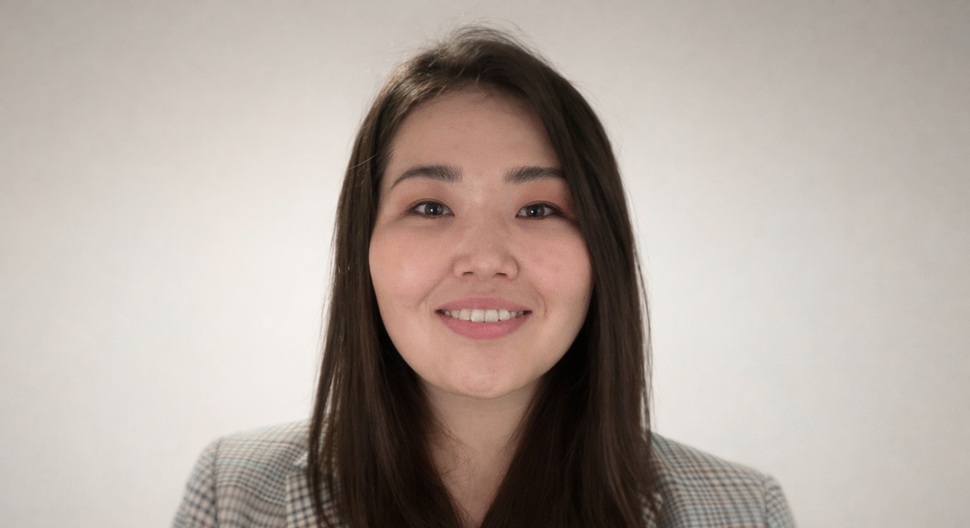
I’m a robotics and AI engineer. Before starting my PhD, I worked on autonomous UAV swarm systems for precision agriculture, which got me really interested in how robots sense and adapt to the world around them. Now at KTH, I am working on event-based vision and spiking neural networks for human–robot collaboration, where a 7-DOF robotic arm works alongside human operators and needs to react quickly to fast, unpredictable situations that traditional computer vision isn’t built for. Promotor: J. Conradt Co-promotor: Y. Sandamirskaya |
DC 10 – Real-time stereo event vision for active mobile robotic perception
Eben Kadile
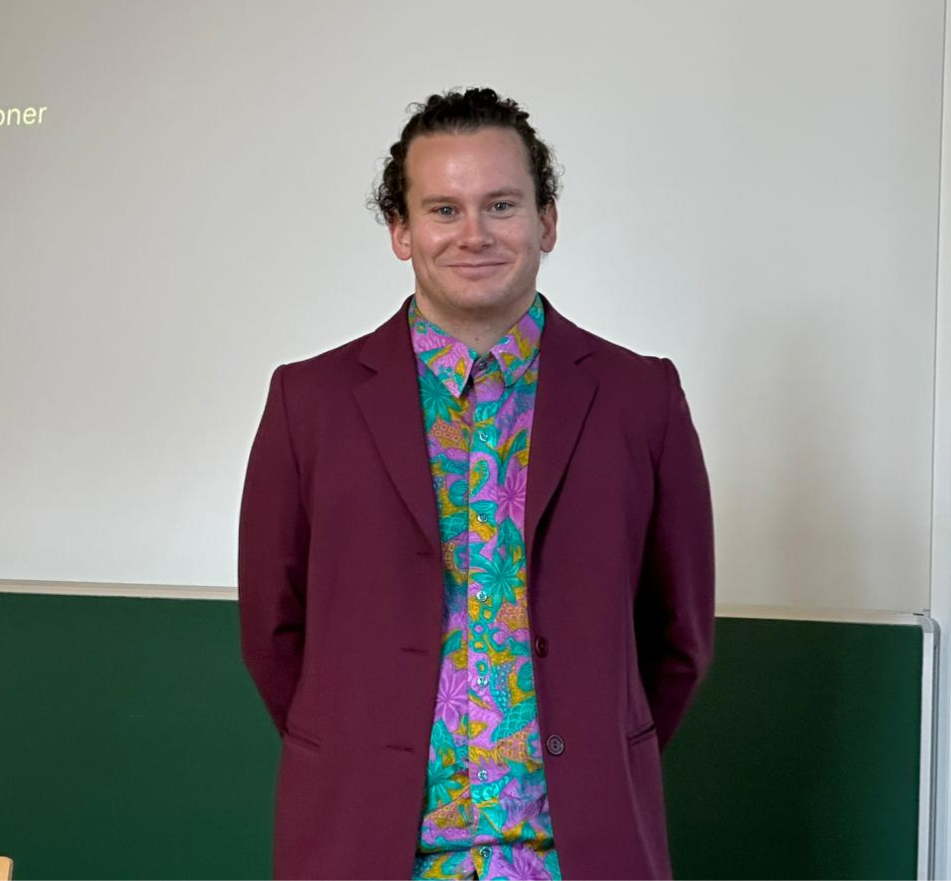
| My name is Eben; I hold a master’s degree in mathematics and I have work experience as a machine learning engineer. I have joined Jörg Conradt’s lab to work on active sensing for mobile robots with mounted retinomorphic cameras. I hope to apply my math and machine learning background to develop ultra-low-latency algorithms for transforming camera input into robot actuation. Promotor: J. Conradt Co-promotor: F. Forni |
DC 11 – Sensing at scale
Joseph Ereifej
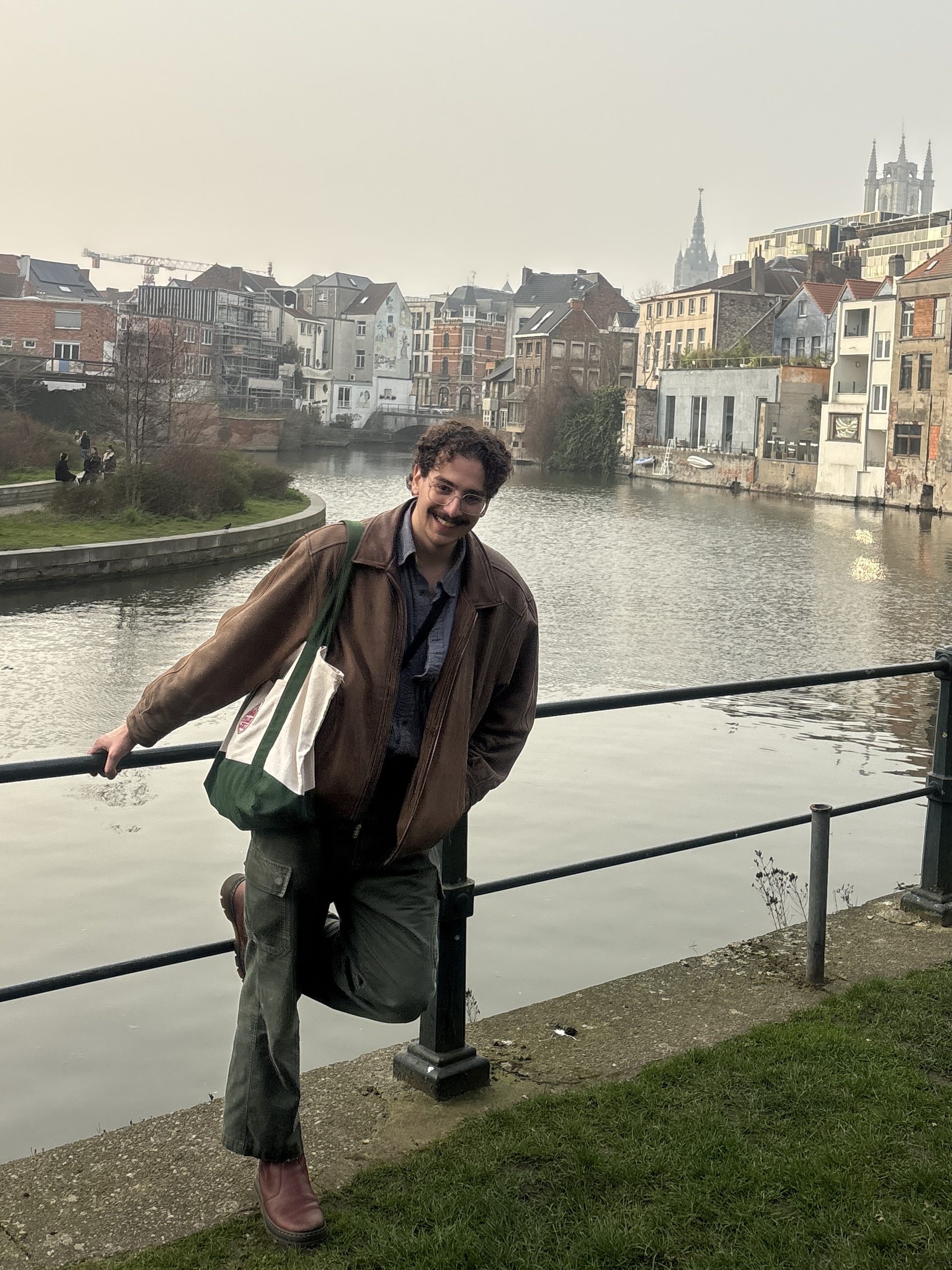
| My name is Joseph Ereifej, and I recently joined KU Leuven to pursue my PhD at STADIUS under the supervision of Dr. Rodolphe Sepulchre. I completed my BS and MS studies in Electrical and Computer Engineering at the University of Pittsburgh in Pittsburgh, Pennsylvania. There, my research focused on developing digital hardware implementations of neuron models and deploying them onto FPGAs and ASICs. At KU Leuven, I hope to explore these concepts within the scope of control systems with neuromorphic sensing devices. Outside of academia, I enjoy climbing outdoors, playing folk music on my guitar, partner dancing, and cooking. I look forward to meeting and working with you all over the next few years. Promotor: R. Sepulchre Co-promotor: J. Conradt |
DC 12 – Co-localized sensor fusion for neuromorphic visual processing at the edge
Laura Deeb
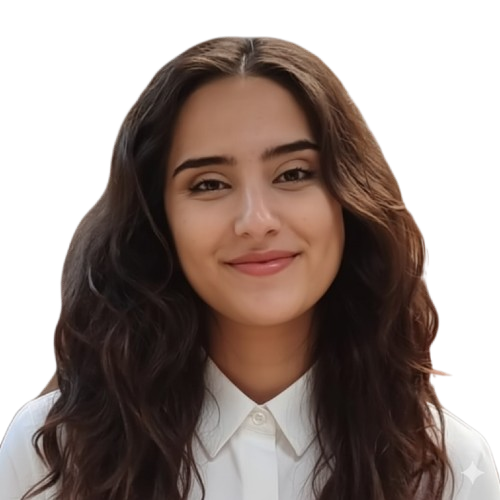
| I am Laura Deeb, an Electronic Systems Engineer with a Joint Erasmus Mundus Master’s in Smart Systems Integrated Solutions, focusing on microsystems and sensors. During my master’s, I studied at three universities: Aalto University (Finland), the University of South-Eastern Norway (USN), and the Budapest University of Technology and Economics (BME). I also completed my master’s thesis at imec, where I worked on radar-based perception and motion estimation. Currently, I am pursuing a PhD at the University of Liège under the supervision of Prof. Alessio Franci and the co-supervision of Prof. Jörg Conradt (KTH Royal Institute of Technology). My research focuses on indirect Time-of-Flight (iToF) and event-based vision sensor fusion for depth estimation at the sensor edge, with applications in low-power autonomous navigation systems, particularly for ultra-lightweight and power-constrained platforms. Outside of research, I enjoy watching series, dancing, music, good food, and spending time with loved ones. Promotor: A. Franci Co-promotor: J. Conradt |
DC 13 – Rhythmic-reactive regulation for robotic locomotion
Florent Boxus
I am an electrical engineer from the University of Liège with a focus on neuromorphic signal processing. I am currently pursuing a PhD in Fulvio Forni’s control group in the University of Cambridge at the intersection of neuromorphic engineering, control theory, and intelligent robotics. I am particularly interested in bio-inspired approaches to make modern systems significantly more energy-efficient. Promotor: F. Forni Co-promotor: J. Conradt |
DC 14 – Hierarchy of neural state machines and behavioral control for embodied intelligence
Julia Walczyńska
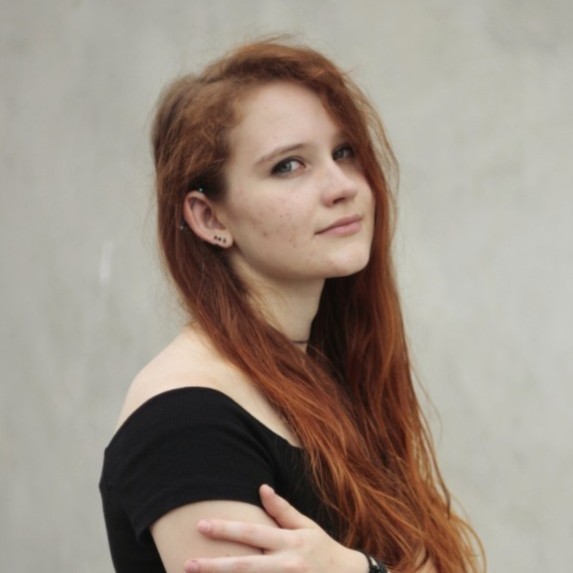
My name is Julia; I hold a bachelor’s degree in Artificial Intelligence and a master’s degree in Computer Engineering. I joined Yulia Sandamirskaya’s lab this May, where I will be working on the project on the hierarchy of neural state machines and behavioral control for embodied intelligence. Promotor: Y. Sandamirskaya Co-promotor: J. Paton |
DC 15 – Levering neuron rythmic transitions in SNNs to develop novel bio-inspired learning rules
Daria Mihaila
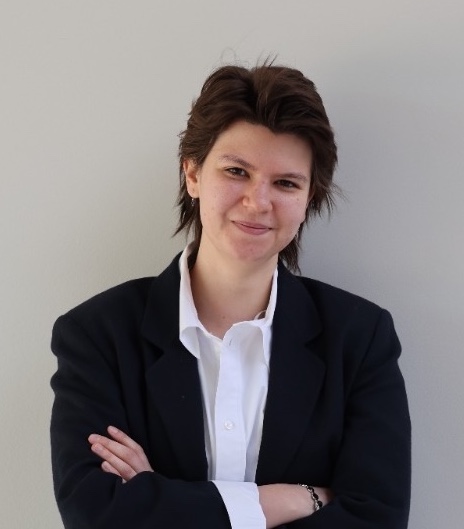
My name is Daria and my background is in Theoretical Physics and Neurophysics. For my PhD, I am investigating the use of rhythmic transitions of tonic and burst neuron firing for new bio-inspired learning rules for SNNs. I am interested in using computational neuroscience and dynamical systems for efficient neuromorphic network design and developing new online learning rules. Promotor: G. Drion Co-promotor: C. Frenkel |
DC 16 – Neuromodulation for stable learning in recurrent neural networks
Gaida Campanella
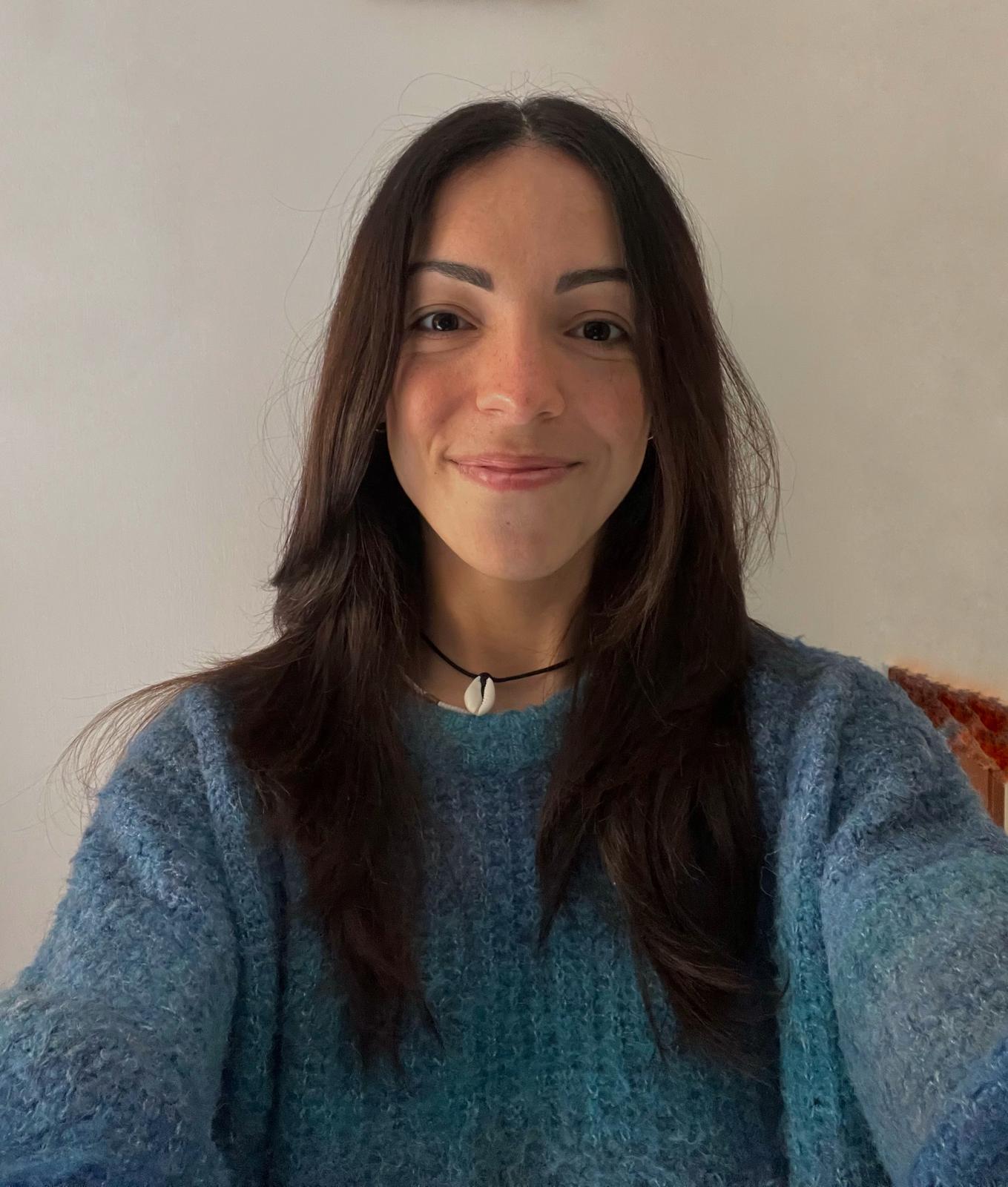
| My name is Giada Campanella and I’m a PhD student originally from Sicily. I obtained my Master’s degree in Biomedical Engineering (Bionanotechnologies) at Politecnico di Torino, and I carried out my master’s thesis at Maastricht University, where I focused on vascular abnormalities associated with LMNA-related dilated cardiomyopathy. I have recently started my PhD at the University of Liège under the supervision of Prof. Guillaume Drion. My research interests lie at the intersection of neuroscience-inspired artificial intelligence, recurrent neural networks, and neuromorphic engineering. I am interested in NeuroAI approaches that combine biological inspiration, neuroscience, and hardware implementation. Promotor: G. Drion Co-promotor: E. Neftci |
DC 17 – Self-organised clocks for reliable spiking computation
Eoin Murray
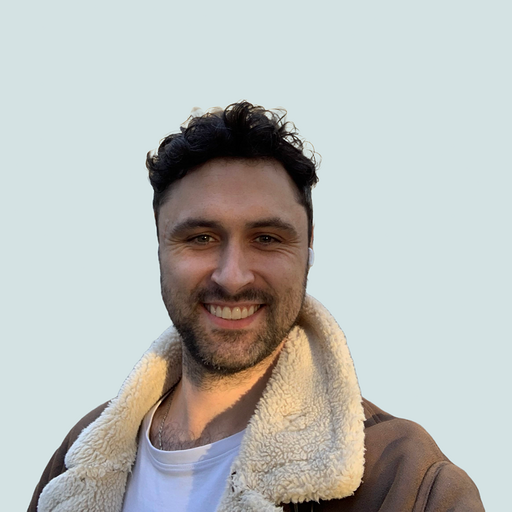
| I have a background in physics (quantum semiconductors) and startups, currently working in Timothy O’Leary’s lab on oscillating spiking neural networks. I’m interested in the intersection of computational neuroscience and machine learning, learning about learning by studying the brain. Promotor: T. O’Leary Co-promotor: G Drion |
DC 19 – Modulating bursting activity to control plasticity and attention
Qi Shen
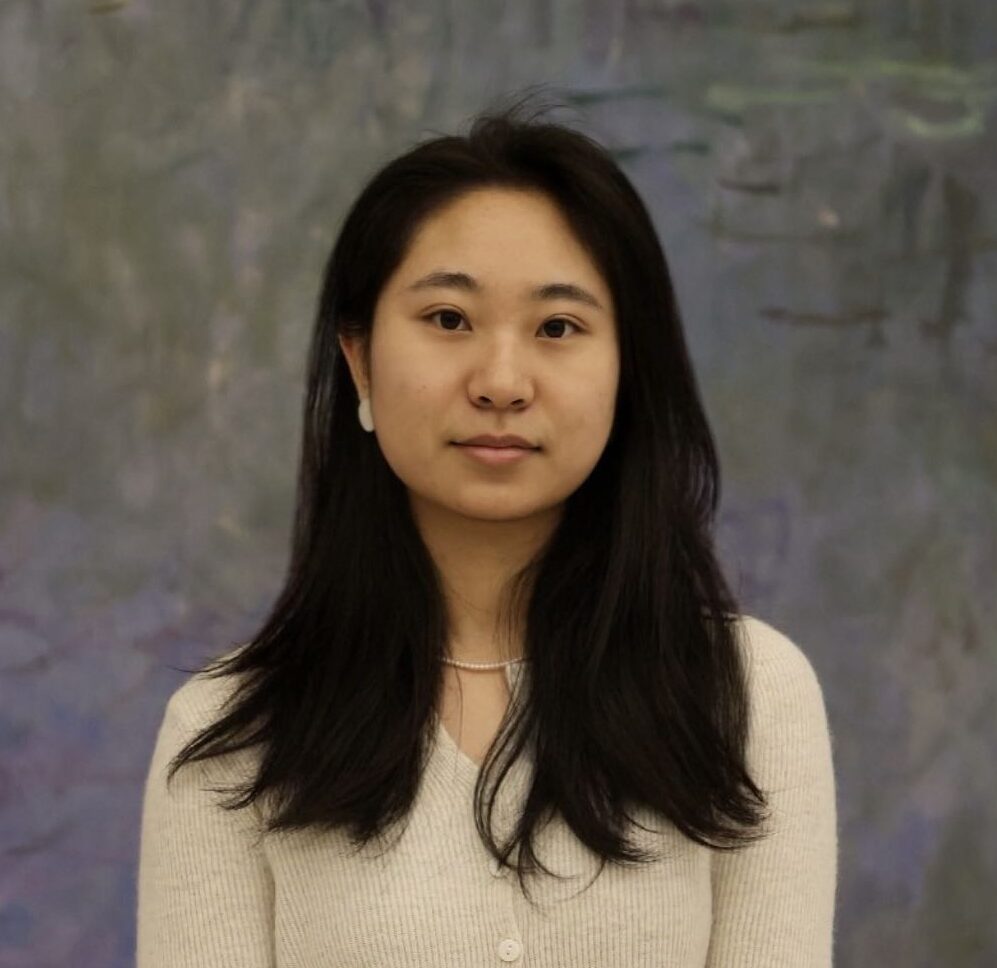
| My name is Qi Shen, and I am a PhD student at the University of Zurich, under the supervision of Prof. Giacomo Indiveri. My research focuses on neuromorphic integrated circuits, with an emphasis on silicon neuron implementations and ultra-low-power analog circuit design. More generally, I am interested in how circuit-level neuron dynamics can support adaptive computation in hardware. Promotor: G. Indiveri Co-promotor: A. Franci |
DC 20 – Event-based computation with Excitatory-Inhibitory networks
Dziyana Hai-Varonskaya.
Promotor: Ch. Machens Co-promotor: R. Sepulchre |